How Long Does Garage Floor Coating Last? (Epoxy, Polyaspartic & More)
A professionally installed polyaspartic coating can last 15–25 years. A DIY epoxy kit may start peeling within a year. Learn what actually determines how long a coating lasts and how to make yours go the distance.
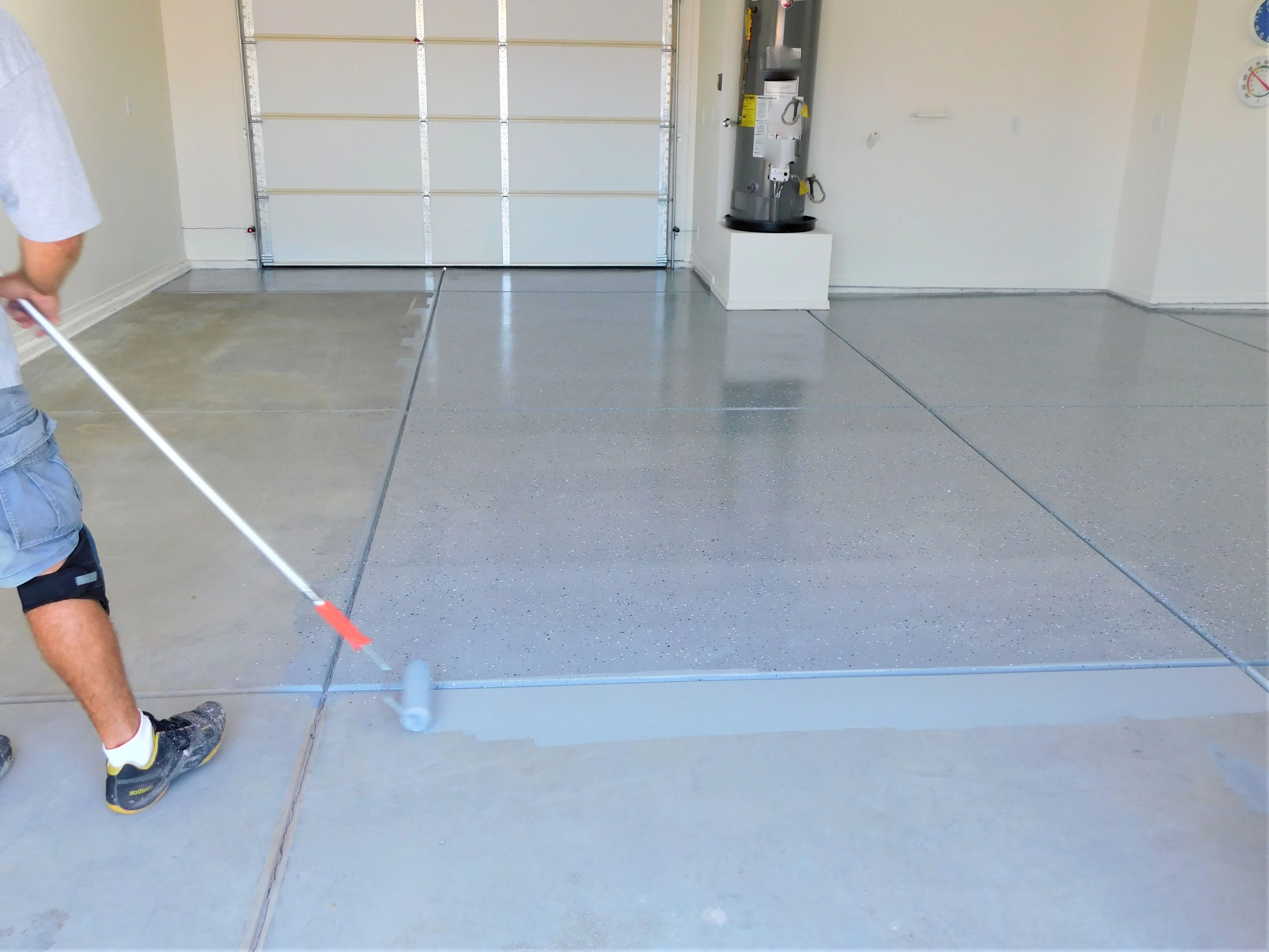
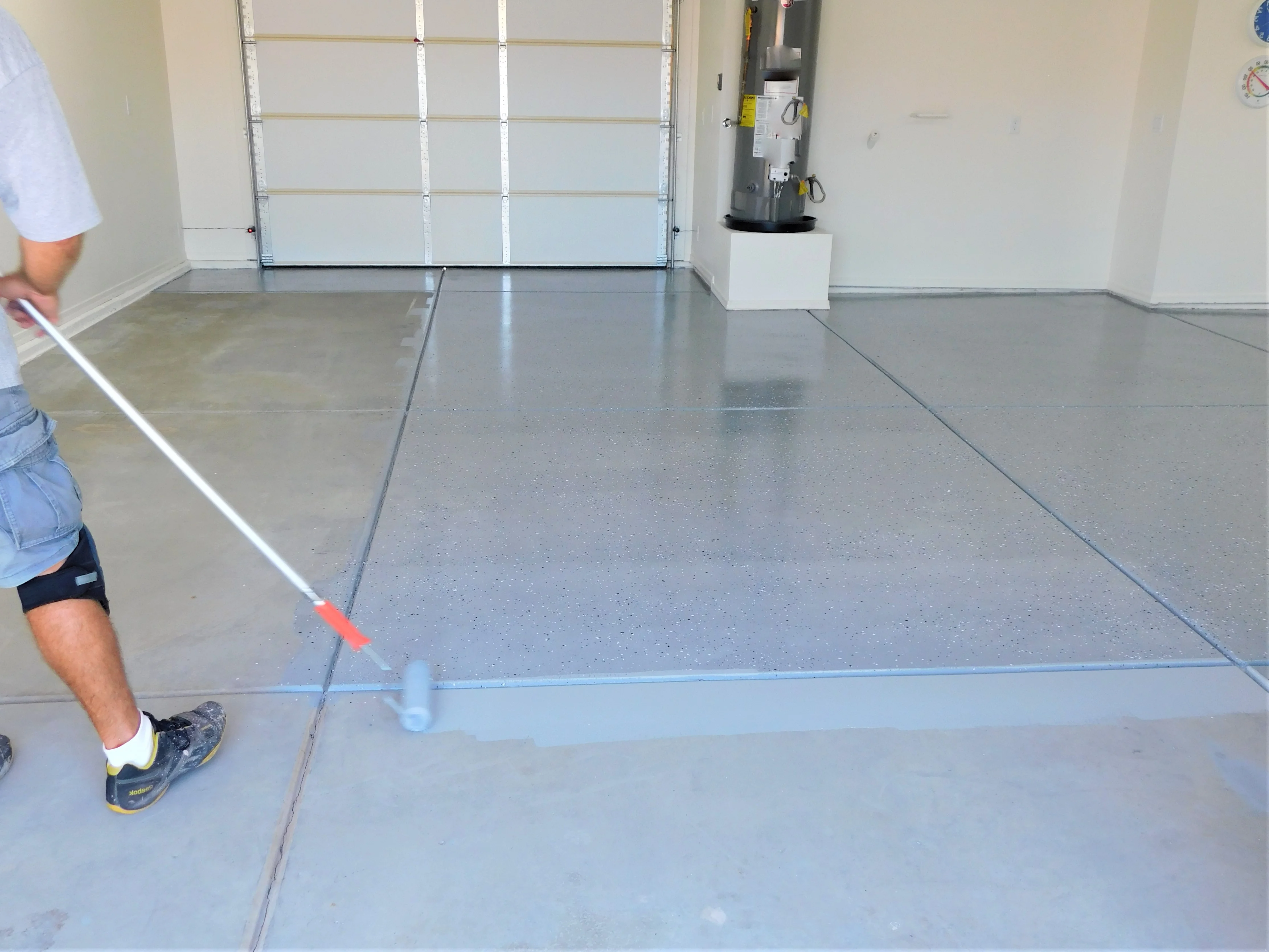
The lifespan of a garage floor coating depends less on the product and more on two things: surface preparation and the installer who applies it. A professionally installed [[polyaspartic|/service/5]] coating can last 15–25 years. A DIY epoxy kit from a home improvement store may start peeling within a year or two. That gap is not primarily a material difference — it's a process difference. Understanding what actually determines how long a coating lasts will help you make a better decision about which system to choose and who to hire. Garage Floor Coating Lifespan by Type The most important insight from comparing coating lifespans: professional installation and DIY installation are not different tiers of the same thing. They produce fundamentally different outcomes. The concrete preparation process, the product grade, and the number of coats applied are each dramatically different — and together, they determine whether a coating lasts two years or twenty. Professional epoxy lasts 10–20 years. DIY epoxy lasts 1–3 years. The key longevity factor is surface prep combined with a UV topcoat. Professional polyaspartic lasts 15–25 years and is not available as a DIY product. Its longevity comes from inherent UV stability and superior bond strength. Professional polyurea lasts 15–25 years and is the most durable professional option, also not available for DIY. Big box DIY kits last 1–3 years due to poor adhesion and no UV protection. What Determines How Long Your Coating Lasts? Factor 1: Surface Preparation (60–70% of the outcome) Surface preparation is the single most important factor in coating longevity — more important than the coating product itself. Mechanical grinding (diamond grinding) opens the concrete's surface pores to the correct profile for chemical and mechanical bonding. When this step is done correctly, the coating bonds to the concrete at a molecular level and holds for decades. When it's skipped or done inadequately — as it is in most DIY applications — the coating sits on top of the concrete and delaminates over time. Moisture testing is the step most commonly skipped by contractors who cut corners. Concrete slabs hold moisture, and moisture vapor transmission (MVT) — the rate at which moisture moves through the slab — determines whether a coating will bond or fail. A slab with elevated MVT will push moisture vapor up through the coating, causing bubbling and delamination within months, regardless of how good the product is. In Colorado, where freeze-thaw cycles push moisture into concrete repeatedly over years, MVT testing is especially important. Crack and spall repair before coating — not after. Coating over existing cracks hides them temporarily but doesn't solve the problem. As the concrete continues to move seasonally, the cracks telegraph through the coating. Any existing damage must be addressed before the coating goes down. Factor 2: Product Quality Not all epoxy is the same. Professional-grade [[polyaspartic|/service/5]] and polyurea systems are formulated for adhesion, chemical resistance, and UV stability. Consumer products — including most big box store kits — are water-based epoxy paint applied in thin coats. The difference in bonding chemistry, mil thickness, and performance under temperature extremes is significant. For Colorado garages specifically: UV-stable topcoats are non-negotiable. Standard [[epoxy|/service/3]] without UV protection yellows and becomes brittle under the high-altitude UV exposure Denver experiences. Polyaspartic is inherently UV-stable; epoxy requires a UV-stable topcoat to perform well in high-sun markets. Factor 3: Application Conditions Temperature and humidity at the time of installation affect how a coating cures and bonds. Epoxy has a narrower installation window — below 50°F or above 90°F, cure times and bond strength are compromised. Polyaspartic can be installed at a much wider temperature range, which is one reason it's easier to install correctly in variable Colorado conditions. Multi-layer applications — a base coat, broadcast layer, and topcoat — outperform single-coat applications in both adhesion and durability. Single-coat systems have lower mil thickness and fewer layers of protection between the surface and the concrete. Factor 4: Maintenance and Usage A well-installed coating can be shortened in lifespan by improper maintenance: - Battery acid and chemical spills are the most damaging. Oil is manageable; battery acid will etch the coating if left untreated. - Deicing salts tracked in from outside are corrosive to some coating systems — particularly important in Colorado. Salt accumulation over time degrades coatings that aren't rated for chemical resistance. - Dragging sharp or heavy objects across the surface without lifting can scratch through the topcoat. - Bleach and ammonia cleaners can dull the finish over time — use pH-neutral cleaners. Why DIY Garage Floor Coatings Fail So Fast If you've seen DIY epoxy kits peeling within a year or two, this is why. The product is different. Most big box store kits are water-based epoxy paint — not the two-part polyaspartic or solid epoxy systems used by professional installers. Water-based paint has significantly lower adhesion strength, lower mil thickness, and no UV protection. The prep process is different. DIY kits rely on acid etching as surface preparation. Acid etching opens the concrete surface chemically but produces a far less aggressive surface profile than mechanical diamond grinding. The result is a shallow bond that looks fine initially and fails under temperature cycles and normal garage use. The application is thinner. Professional systems are applied in multiple coats at specific mil thicknesses. DIY kits are typically one or two thin coats — less protection, less adhesion, less durability. The real cost comparison over 20 years: A DIY kit costs $100–$400 upfront but lasts only 1–3 years, totaling $700–$3,200+ with multiple redos. Professional epoxy costs $1,200–$3,500 once and lasts 10–20 years. Professional polyaspartic costs $2,400–$5,000 once and lasts 15–25 years. For a detailed cost breakdown by system and garage size, see: [[How Much Does Epoxy Garage Floor Coating Cost?|/blog/how-much-does-epoxy-garage-floor-coating-cost-in-2026]] Signs Your Coating Is Failing — and What to Do If your garage floor coating is showing any of these signs, it's worth having a professional assess the floor before the problem spreads. Peeling or delamination. The most common failure mode, and almost always caused by inadequate surface preparation — insufficient grinding, a contaminated surface, or moisture in the slab at the time of installation. This is not typically a product defect. Yellowing. UV degradation. If your garage floor is yellowing, the coating was installed without a UV-stable topcoat — common in standard epoxy systems. In Colorado's high-altitude UV environment, this happens faster than in most markets. Bubbling. Moisture vapor pushing through from below. This is a moisture vapor transmission issue — the slab was either too wet at installation or has high MVT that wasn't addressed with a moisture-mitigating primer. Hot tire pickup. The coating lifts in the spots where car tires rest when the vehicle is parked. This is an adhesion failure — the coating hasn't bonded adequately to the concrete. Surface erosion or dullness in wheel tracks. Salt and chemical wear over time, particularly in high-use areas. Can you recoat over a failing floor? In most cases, no. A failed coating must be fully ground off before reapplication — recoating over a delaminating or poorly bonded surface will produce the same result. The grind-and-recoat process costs more than a first-time installation because of the removal step. How to Make Your Coating Last Longer A few maintenance habits extend the life of any professional coating significantly: - Clean monthly with a pH-neutral cleaner. Avoid bleach, ammonia, and highly acidic cleaners that degrade the topcoat. - Address chemical spills immediately. Oil can be cleaned up at your convenience; battery acid should be neutralized and removed right away. - Use floor mats under vehicles in winter. If deicing salts are a concern, a mat under the vehicle catches the drips before they accumulate. - Don't drag heavy equipment. Lift rather than slide anything with sharp edges or heavy weight. - Inspect annually. Look at edges and corners — this is where delamination begins if moisture is entering from the perimeter. Catching it early prevents spread. - Professional assessment every 5–7 years. A contractor can spot early signs of wear and address them before they become costly failures. The Bottom Line on Coating Lifespan A garage floor coating's lifespan is set on the day it's installed — by the quality of the surface preparation, the product selected, and the installer's process. A professional installation, done correctly, will protect your floor for 15–25 years without requiring attention. A shortcut taken on prep or product will show itself within years, not decades. 4 Corners Concrete Coatings installs professional-grade polyaspartic and epoxy systems throughout the Denver metro and Front Range. [[Contact us|/contact]] for a free assessment of your floor — we'll give you an honest evaluation of its current condition and a clear recommendation.
Frequently Asked Questions
How long does epoxy garage floor coating last?
Professionally installed epoxy garage floor coating lasts 10–20 years. The biggest determining factor is surface preparation — properly diamond-ground, moisture-tested concrete with a professional-grade product and UV-stable topcoat will reach the upper end of that range consistently.
Is an epoxy garage floor worth the money?
Yes, for most homeowners. A professional coating protects concrete from oil, chemicals, and daily wear; makes the floor easy to clean; and adds perceived value when selling the home. Compared to the cost of repairing or replacing damaged concrete — or repeatedly redoing a failed DIY coating — the return on a professional installation is strong.
Why is my epoxy floor peeling?
Peeling is almost always caused by inadequate surface preparation — specifically, insufficient concrete grinding or moisture trapped in the slab at the time of installation. It is rarely a product defect. A floor that peels quickly was either not ground properly, not moisture-tested, or coated over contaminated concrete.
How long does polyaspartic coating last?
Professionally installed polyaspartic coatings typically last 15–25 years. They're more UV-stable and more durable than standard epoxy, making them a better long-term investment in most cases — especially in Colorado's high-UV, freeze-thaw environment.
Ready to Transform Your Concrete in Colorado?
Get a free estimate for your polyaspartic coatings project today.
Recommended Service
Polyaspartic Floor Coatings
Fast-curing, UV-stable coatings perfect for Colorado's climate.
Learn More