Epoxy Garage Floor Coatings in Denver, Colorado: What You Need to Know (2026)
Denver garage floors take more abuse than most homeowners realize. Learn which coatings handle Colorado's freeze-thaw cycles, UV at altitude, and deicing salts — plus 2026 pricing and what to look for in a contractor.
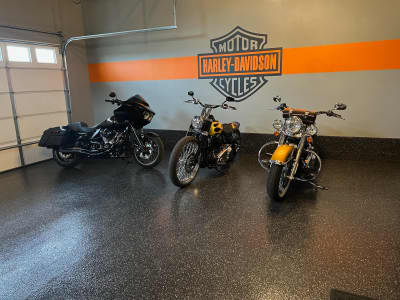
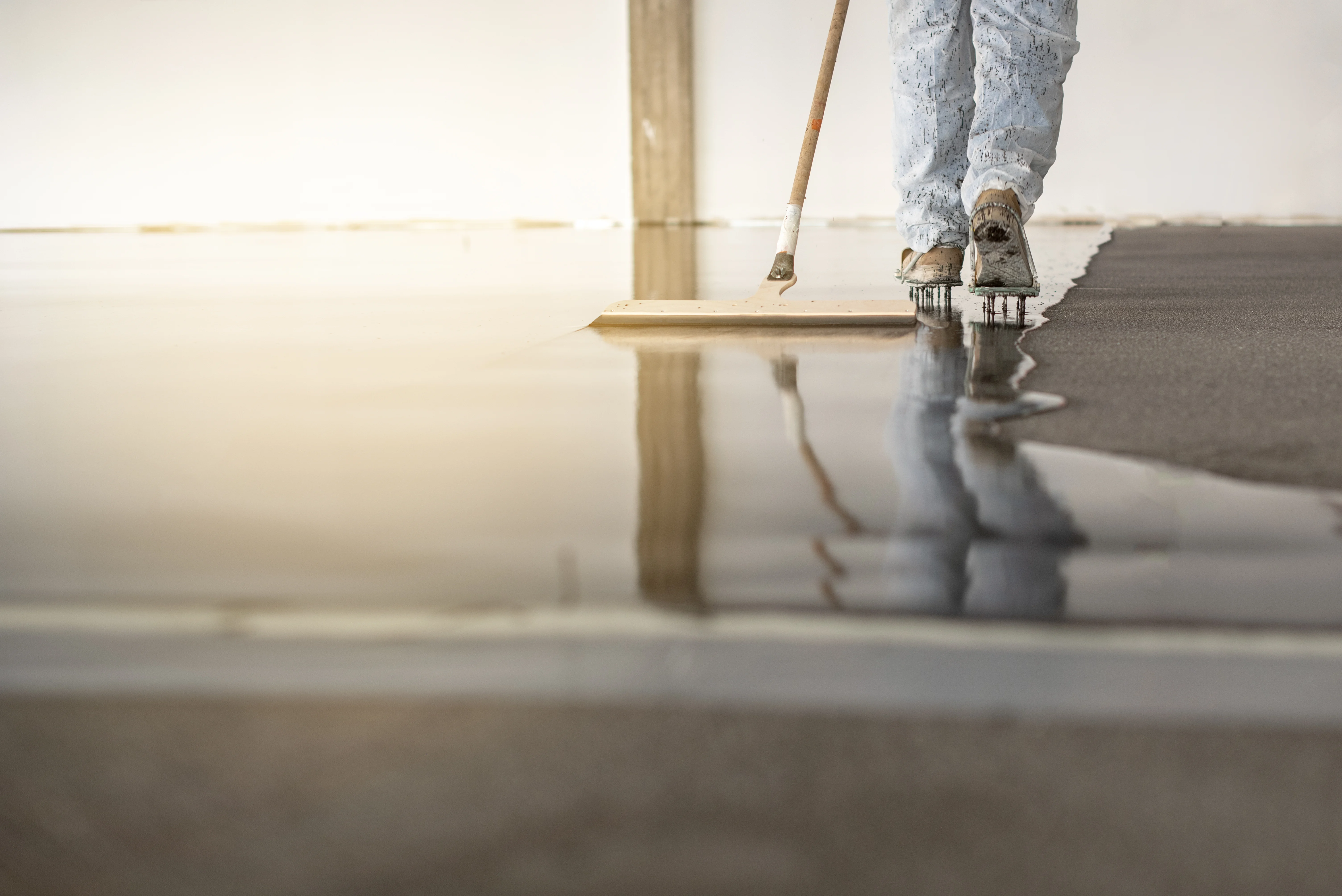
Denver garage floors take more abuse than most homeowners realize. Harsh winters, freeze-thaw cycles, deicing salts tracked in from the driveway, and intense UV radiation at altitude — together, these conditions shorten the life of standard coatings that work fine in milder climates. A product that holds up well in Phoenix or Atlanta may peel, yellow, or fail within a few years on a Denver garage floor. If you're researching epoxy garage floor coatings or concrete floor coatings in Colorado, this guide covers what you need to know — the climate factors that matter, which coating systems actually hold up in Denver, what professional installation costs in 2026, and how to choose a contractor who understands the local conditions. Why Colorado's Climate Is Hard on Garage Floors Colorado's environment creates four specific challenges for garage floor coatings. Understanding them before you choose a system will save you from a coating that looks good for a few years and fails before it should. Freeze-thaw cycles. Denver experiences dozens of freeze-thaw cycles per year. When moisture penetrates concrete — through cracks, edges, or porous areas — it expands as it freezes, stressing the concrete from within. Over time, this causes spalling (surface flaking) and cracking. A coating applied over concrete that has already started to spall won't adhere properly, and a coating that isn't moisture-tested at installation will fail when trapped moisture vapor pushes up through the slab. Deicing salts and chemicals. Road salts and ice-melt products are part of life in Colorado. They're also corrosive to concrete and to coatings that aren't rated for chemical resistance. Salts tracked in from the driveway accumulate on garage floors and, over time, degrade the bond between coating and concrete or cause surface erosion in coatings without adequate chemical resistance. UV exposure at altitude. Denver gets around 300 days of sunshine per year, and UV intensity increases roughly 4% for every 1,000 feet of elevation. At Denver's elevation of 5,280 feet, UV load is meaningfully higher than at sea level. Standard epoxy coatings without UV-stable topcoats will yellow and become brittle over time — often within 3–5 years in Colorado conditions. [[Polyaspartic coatings|/service/5]], which are inherently UV-stable, are significantly better suited to this environment. Extreme temperature swings. Summer garage temperatures in Colorado can exceed 100–110°F. Winter temperatures can drop below zero. Concrete expands and contracts with temperature, and so does the coating on top of it. Coatings must have the flexibility to move with the concrete without cracking or losing adhesion. This is one reason polyaspartic outperforms standard epoxy in Colorado — it handles thermal expansion and contraction better over time. A coating that doesn't account for these four factors is not optimized for this market. It may look fine for the first year or two and begin failing long before its expected lifespan. Best Garage Floor Coatings for Colorado Conditions Knowing what the climate demands, here is how the main coating systems compare in Colorado. Polyaspartic — top choice for Denver garages [[Polyaspartic|/service/5]] is the best-performing system for Colorado conditions, and it's what most experienced Colorado contractors recommend for residential garage floors. - UV-stable by nature — won't yellow at altitude; maintains color and finish over time - Installs in a single day — cures fast and can handle a wider temperature range during installation than epoxy - Handles thermal expansion — flexible enough to accommodate Colorado's temperature swings - Chemical and salt resistant — holds up to the deicing salt environment - 15–25 year professional lifespan when properly installed The tradeoff: polyaspartic costs more per square foot than epoxy. For most Colorado homeowners, the longer lifespan and better performance in local conditions make it the better long-term value. Epoxy — works well with the right approach Professional-grade [[epoxy|/service/3]] is a solid choice for Colorado when properly specified. The key requirements for Colorado: - A UV-stable topcoat is essential — bare epoxy without UV protection will yellow - Surface preparation must include moisture testing — elevated moisture vapor transmission (MVT) is a common issue in Colorado slabs with freeze-thaw history - Installation in cooler temperatures requires careful timing — epoxy has a narrower installation temperature window than polyaspartic - Multi-layer systems outperform single-coat applications significantly in durability What to avoid: big box store DIY kits The DIY epoxy paint kits sold at home improvement stores are not the same product as professional-grade coating systems. They are water-based epoxy paint — thin single coats with minimal surface prep, no UV protection, and adhesion that cannot match mechanically ground and prepared concrete. In Colorado conditions, these typically peel or chip within 1–3 years, sometimes sooner. The savings at purchase disappear in the cost of removal and re-coating. Epoxy Garage Floor Cost in Denver, Colorado (2026) Professional garage floor coating costs in the Denver market reflect local labor rates, which run slightly above national averages due to the active Colorado construction market. For a standard two-car garage (approximately 400–500 sq ft), expect: - Epoxy: $1,200–$3,500 installed ($3–$7/sq ft) - Polyaspartic: $2,400–$5,000 installed ($6–$10/sq ft) - Polyurea: $2,800–$6,000 installed ($7–$12/sq ft, commercial/high-demand) What affects your specific quote: Floor condition. Concrete with significant cracking, spalling, or staining from oil or chemicals requires more prep work before coating — this adds cost but is non-negotiable for a quality installation. Square footage. Larger garages have a lower per-square-foot cost but higher total cost. Decorative options. Flake (chip) broadcasts, metallic finishes, and color-blended systems cost more than solid colors. Crack repair. Any cracks should be filled before coating — this is included in some estimates and itemized separately in others. For a detailed look at national and local pricing factors, see our guide: [[How Much Does Epoxy Garage Floor Coating Cost?|/blog/how-much-does-epoxy-garage-floor-coating-cost-in-2026]] Surface Preparation — The Step That Determines Everything No matter which coating system is used, the longevity of a garage floor coating is determined primarily by surface preparation. This is especially true in Colorado, where freeze-thaw history and moisture content in concrete slabs create specific challenges. Mechanical grinding (diamond grinding) is the professional standard — a diamond-tipped grinder opens the concrete pores to the correct profile for bonding. Acid etching, which some contractors still use, is far less effective and is not recommended for professional installations. Moisture testing is critical in Colorado. Concrete slabs with freeze-thaw history often have elevated moisture vapor transmission rates. Coating over a wet or high-MVT slab will cause bubbling and delamination within months — regardless of product quality. A reputable contractor will test the slab before quoting. Crack and spall repair must be done before coating, not concealed by it. Coating over existing cracks will show them within months as the concrete continues to move seasonally. A simple question that filters out contractors who cut corners: "Do you moisture-test the slab before installation?" If the answer is no, or if the contractor can't explain their prep process in detail, that is a warning sign. For a full comparison of epoxy and polyaspartic systems — including prep requirements — see: [[Epoxy vs. Polyaspartic Floor Coating: Which Is Right for You?|/blog/epoxy-vs-polyaspartic-floor-coating]] Where 4 Corners Concrete Coatings Serves in Colorado 4 Corners Concrete Coatings installs professional polyaspartic and epoxy systems throughout the Denver metro area and Front Range. We work in Colorado's climate every day and spec our systems accordingly — UV-stable topcoats, moisture-tested slabs, and multi-layer applications built for Colorado winters. Service areas include: Denver Metro: Denver, Aurora, Lakewood, Arvada, Westminster, Englewood, Thornton, Northglenn South Metro: Littleton, Centennial, Parker, Highlands Ranch, Castle Rock, Lone Tree North Metro: Brighton, Commerce City, Federal Heights, Wheat Ridge Front Range: Boulder, Longmont, Fort Collins, Loveland, Greeley, Colorado Springs If your area isn't listed, [[contact us|/contact]] — our service area extends throughout Colorado's Front Range corridor. Don't Let Colorado's Climate Shorten Your Coating's Life The Denver market is not the national average — it demands more from a coating product and more from the contractor installing it. Choosing the wrong system or a contractor who doesn't understand local conditions is an expensive lesson. 4 Corners Concrete Coatings installs professional-grade polyaspartic and epoxy systems throughout the Denver metro and Front Range. [[Contact us|/contact]] for a free estimate — we'll assess your floor and give you an honest recommendation for your project.
Frequently Asked Questions
Does epoxy garage floor coating hold up in Colorado winters?
Yes, when professionally installed with the right system. Polyaspartic coatings are particularly well-suited to Colorado — they're UV-stable, handle extreme temperature swings, and resist the deicing salts that degrade cheaper coatings. Properly installed epoxy with a UV-stable topcoat also performs well. Surface preparation — including moisture testing — is critical regardless of system.
How much does epoxy garage floor coating cost in Denver?
Professional installation in the Denver area typically runs $3–$7/sq ft for epoxy and $6–$10/sq ft for polyaspartic, depending on garage size, floor condition, and decorative options. A standard two-car garage runs $1,200–$5,000 depending on the system selected.
What's the best garage floor coating for Colorado's freeze-thaw climate?
Polyaspartic is the top choice for Colorado — it installs in one day at a wide range of temperatures, won't yellow from UV exposure at altitude, and handles freeze-thaw movement better than standard epoxy. It's also more chemical and salt resistant, which matters in Colorado's deicing environment.
How long does a professionally installed garage floor coating last in Colorado?
A professionally installed polyaspartic coating in Colorado typically lasts 15–25 years. Professional epoxy with a UV-stable topcoat lasts 10–20 years with proper maintenance.
How do I get a free estimate in Denver?
Contact 4 Corners Concrete Coatings for a free, no-pressure assessment and written estimate. We'll evaluate your floor's current condition, test for moisture, and recommend the right system for your garage.
Ready to Transform Your Concrete in Denver?
Get a free estimate for your epoxy quartz project today.
Recommended Service
Epoxy Quartz Systems
Durable, slip-resistant epoxy quartz flooring for demanding environments.
Learn More