
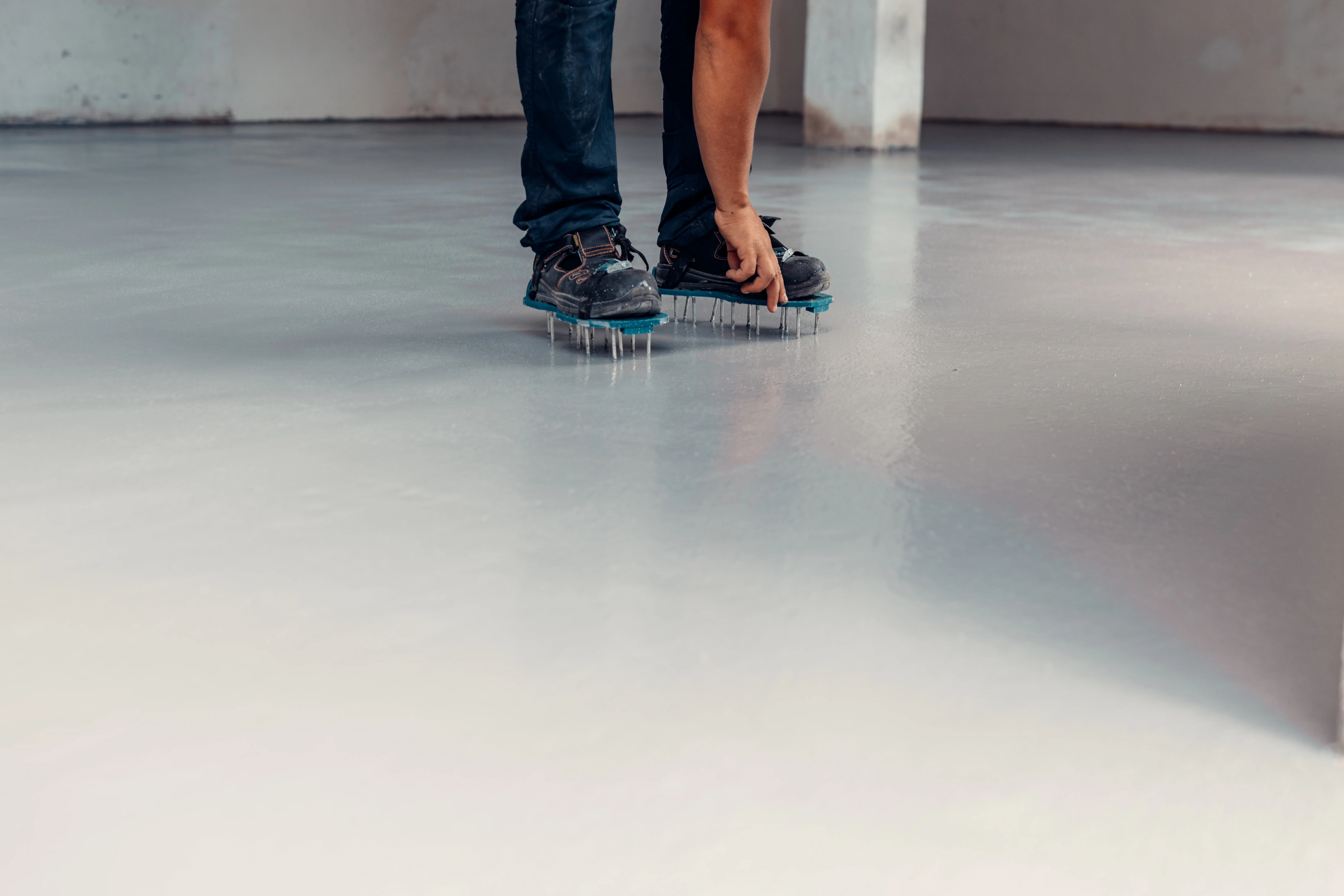
Epoxy vs Polyaspartic Floor Coating: Which Is Better for Your Garage?
Epoxy vs polyaspartic garage floor coating — which is better? Compare cost, durability, cure time, and UV resistance side by side in this honest 2026 comparison guide.
If you're shopping for a garage floor coating, you've probably come across two names more than any others: epoxy and polyaspartic. They're the two most popular options for residential garage floors — but they're very different products with different strengths, different limitations, and different price points. Contractors often recommend one or the other, and it's not always clear whether that recommendation is based on what's best for your garage or what's easiest for them to install. This guide gives you an honest, side-by-side comparison of epoxy and polyaspartic floor coatings so you can make the right decision based on your priorities — whether that's cost, durability, cure time, or long-term value. At 4 Corners Concrete Coatings, we install both epoxy and polyaspartic systems. We'll tell you exactly when each one makes sense and when it doesn't. Quick Comparison: Epoxy vs Polyaspartic at a Glance Before we go into detail, here's the summary: • Cost per sq ft: Epoxy $3 – $7 | Polyaspartic $5 – $10 • Cure Time: Epoxy 24 – 72 hours | Polyaspartic same-day / 1 day • Durability: Epoxy good | Polyaspartic excellent • UV Resistance: Epoxy poor to fair | Polyaspartic excellent • Chemical Resistance: Epoxy good | Polyaspartic excellent • Hot Tire Pickup: Epoxy possible | Polyaspartic resistant • Yellowing Over Time: Epoxy yes (in UV exposure) | Polyaspartic no • Abrasion Resistance: Epoxy good | Polyaspartic excellent • Application Window: Epoxy longer (more forgiving) | Polyaspartic shorter (needs skill) • Color/Finish Options: Both wide range Both are legitimate, professional-grade garage floor coating options. Neither is "bad." But they serve different priorities, and understanding the differences will help you choose the right one for your garage. What Is Epoxy Floor Coating? Epoxy is a two-part coating system — a resin and a hardener that are mixed together and applied to a prepared concrete surface. When the two components react, they create a hard, durable film that bonds to the concrete and provides a smooth, glossy finish. Epoxy has been the industry standard for garage floor coatings for decades. It's the coating most people picture when they think of a finished garage floor — high gloss, solid color or decorative flake, tough enough to handle vehicles, tools, and daily use. Pros of Epoxy Floor Coating Affordable. Epoxy is the most cost-effective professional coating option at $3 to $7 per square foot installed. For homeowners on a budget, it delivers a dramatic improvement over bare concrete at a reasonable price. Wide color and finish range. Epoxy is available in virtually any color, and it works with all the popular decorative options — flake broadcast, metallic pigments, quartz, and solid colors. If appearance and customization matter, epoxy gives you plenty of choices. Proven track record. Epoxy has been used on garage floors, commercial facilities, and industrial settings for decades. It's a well-understood product with predictable performance when installed correctly. More forgiving during application. Epoxy has a longer working time (pot life) than polyaspartic, which means the installer has more time to apply and spread the coating before it begins to set. This makes it slightly easier to work with, especially on large floors. Cons of Epoxy Floor Coating Long cure time. Epoxy typically requires 24 to 72 hours before you can walk on it and 5 to 7 days before you can park a vehicle on it. That means your garage is out of commission for close to a week. UV yellowing. Standard epoxy is not UV stable. In garages that get direct sunlight — through windows or when the door is left open — the coating will yellow over time. This is cosmetic, not structural, but it changes the appearance of what was once a clean, bright floor. Hot tire pickup. When you park a car after driving, the tires are hot. On some epoxy floors — especially thinner single-coat applications — that heat can cause the coating to soften slightly and bond to the tire. When you drive away, the coating peels off with the tire. This is one of the most common complaints with budget epoxy installations. Temperature sensitivity during application. Epoxy performs best when applied in moderate temperatures (50 to 80 degrees Fahrenheit). Extreme heat or cold during installation can affect curing and adhesion. What Is Polyaspartic Floor Coating? Polyaspartic is a newer coating technology — a type of polyurea that was developed to address many of the limitations of traditional epoxy. Like epoxy, it's a two-part system applied to prepared concrete. But the chemistry is different, and that chemistry gives polyaspartic several significant advantages. Polyaspartic coatings have become increasingly popular in the residential garage market over the past decade because they solve the three biggest complaints about epoxy: cure time, UV yellowing, and hot tire pickup. Pros of Polyaspartic Floor Coating Same-day cure. This is the headline advantage. A polyaspartic coating can be applied in the morning and ready for foot traffic by evening. You can park on it the next day. Compare that to a week of downtime with epoxy, and the convenience factor is enormous — especially if your garage is your primary parking space or workshop. UV stable. Polyaspartic will not yellow from sun exposure. If your garage gets direct sunlight or if you're coating an outdoor surface, polyaspartic maintains its color and clarity indefinitely. Resistant to hot tire pickup. The harder cure of polyaspartic means hot tires won't soften or lift the coating. This is a genuine, functional advantage over standard epoxy for any garage where vehicles are parked daily. Superior chemical resistance. Polyaspartic handles oil, gasoline, brake fluid, road salt, and other common garage chemicals better than epoxy. Spills wipe up without staining or damaging the coating surface. Better abrasion resistance. Polyaspartic coatings are harder and more scratch-resistant than epoxy, which means they hold up better to rolling tool carts, dropped tools, and daily foot and vehicle traffic. Temperature flexibility. Polyaspartic can be applied in a wider temperature range than epoxy — from near-freezing up to over 100 degrees Fahrenheit. This makes it more versatile for year-round installation. Cons of Polyaspartic Floor Coating Higher cost. At $5 to $10 per square foot installed, polyaspartic is 40 to 60 percent more expensive than standard epoxy. For a 2-car garage, that difference can be $500 to $1,500 or more. Requires a skilled installer. Polyaspartic cures fast — which is both its advantage and its challenge during application. The installer has a shorter working window to spread, level, and broadcast decorative materials into the coating before it begins to set. This requires experience and speed. An inexperienced installer can end up with uneven coverage, visible roller marks, or poorly distributed flake. Less forgiving during application. Mistakes are harder to fix with polyaspartic because the coating sets quickly. With epoxy, you have more time to adjust. With polyaspartic, you need to get it right the first pass. Which Lasts Longer? Both coatings offer impressive longevity when properly installed. But polyaspartic has the edge. Epoxy: A professional-grade epoxy floor coating — with proper surface preparation, multi-coat application, and quality materials — will last 10 to 15 years in a residential garage under normal use. Some high-quality epoxy systems last even longer, but 10 to 15 years is a realistic expectation for most installations. Polyaspartic: A professional polyaspartic coating typically lasts 15 to 20 or more years. Its superior resistance to UV, chemicals, abrasion, and hot tire pickup means it degrades more slowly than epoxy under the same conditions. Many polyaspartic manufacturers offer longer warranties than epoxy manufacturers, which reflects this durability advantage. What affects longevity for both coatings? Three things matter more than the coating itself: 1. Surface preparation. A properly ground or shot-blasted floor creates the mechanical bond that holds any coating in place. Skip this step and nothing lasts. 2. Number of coats. A multi-layer system (primer + base coat + topcoat) will always outlast a single-coat application. 3. Usage. A garage that sees daily vehicle traffic, chemical exposure, and heavy use will wear faster than a lightly used space. The bottom line: polyaspartic lasts longer. But a well-installed epoxy floor still provides 10 to 15 years of excellent service — and at a lower price point. Which Should You Choose? The right choice depends on your priorities. Here's a simple decision framework: Choose Epoxy If: • Budget is your primary concern and you want the most coating for the least cost • Your garage doesn't get direct sunlight (UV yellowing won't be an issue) • You can wait 5 to 7 days for full cure before parking • The coated area is indoors or covered, minimizing UV exposure • You want a proven, cost-effective solution that dramatically improves your garage floor Choose Polyaspartic If: • You want to use your garage the next day (same-day cure) • Your garage gets direct sunlight or you're coating an outdoor surface • You want maximum resistance to hot tire pickup, chemicals, and abrasion • Long-term value matters more to you than upfront cost • You plan to stay in your home long enough to benefit from the extended lifespan • You're in a high-traffic area and need the most durable option available Or Combine Both Here's something many homeowners don't know: you can use polyaspartic as a topcoat over an epoxy base. This gives you the cost savings of epoxy for the thicker base layers while getting the UV stability, chemical resistance, and hot tire protection of polyaspartic on the surface — the layer that actually takes the abuse. This hybrid approach is increasingly popular and can offer the best of both worlds at a mid-range price point. At 4 Corners Concrete Coatings, we install both epoxy and polyaspartic systems — and we'll recommend the one that makes the most sense for your garage, your budget, and how you use the space. No pressure toward one system or the other. Just an honest recommendation based on your situation. The Bottom Line Both epoxy and polyaspartic are quality garage floor coatings that will transform your garage from a dull concrete slab into a clean, durable, professional-looking space. The best choice depends on your budget, how quickly you need your garage back, and how long you want the coating to last. If cost is the priority: epoxy. If performance and convenience are the priority: polyaspartic. If you want the best of both: a hybrid system with epoxy base and polyaspartic topcoat. Whatever you choose, surface preparation is what determines whether your coating lasts 2 years or 20. That's true for epoxy, polyaspartic, and every other coating on the market. 4 Corners Concrete Coatings installs both epoxy and polyaspartic systems with professional diamond grinding, multi-coat application, and full workmanship warranties. We'll help you choose the right system for your garage — based on your goals, not ours. Contact us for a free estimate.
Frequently Asked Questions
Is polyaspartic better than epoxy?
For most residential garage applications, yes. Polyaspartic is more durable, UV stable, chemical resistant, and cures in a single day. However, epoxy is a solid, proven option — especially for homeowners on a tighter budget or for garages without UV exposure. Both are legitimate professional coatings. "Better" depends on your priorities.
Can you put polyaspartic over epoxy?
Yes. Polyaspartic works as a topcoat over a properly applied epoxy base coat. This is a common approach that combines the cost efficiency of epoxy with the surface performance of polyaspartic. The key is proper preparation and adhesion between layers — which is why this should always be done by a professional.
What is the most durable garage floor coating?
Polyaspartic coatings offer the best overall durability for residential garages. They're harder, more UV stable, more chemical resistant, and more abrasion resistant than standard epoxy. For maximum durability, a multi-layer polyaspartic system with proper surface preparation is the top choice. Polyurea coatings offer similar or slightly better performance but at a higher cost.
How long does polyaspartic coating last?
A professionally installed polyaspartic garage floor coating typically lasts 15 to 20 or more years. Longevity depends on surface preparation quality, the number of coating layers, and how the garage is used. With proper installation and normal residential use, polyaspartic is one of the longest-lasting garage floor coating options available.
Ready to Transform Your Concrete in Colorado?
Get a free estimate for your polyaspartic coatings project today.
Recommended Service
Polyaspartic Floor Coatings
Fast-curing, UV-stable coatings perfect for Colorado's climate.
Learn MoreShare this article

Written by
Mike JohnsonLead Concrete Coating Specialist
Lead Concrete Coating Specialist with 15+ years of industry experience specializing in polyaspartic and epoxy systems.
You May Also Like
Polyaspartic vs. Epoxy Floor Coatings: Which Is Right for You?
Compare polyaspartic and epoxy floor coatings to help you choose the best option for your Colorado home or business.
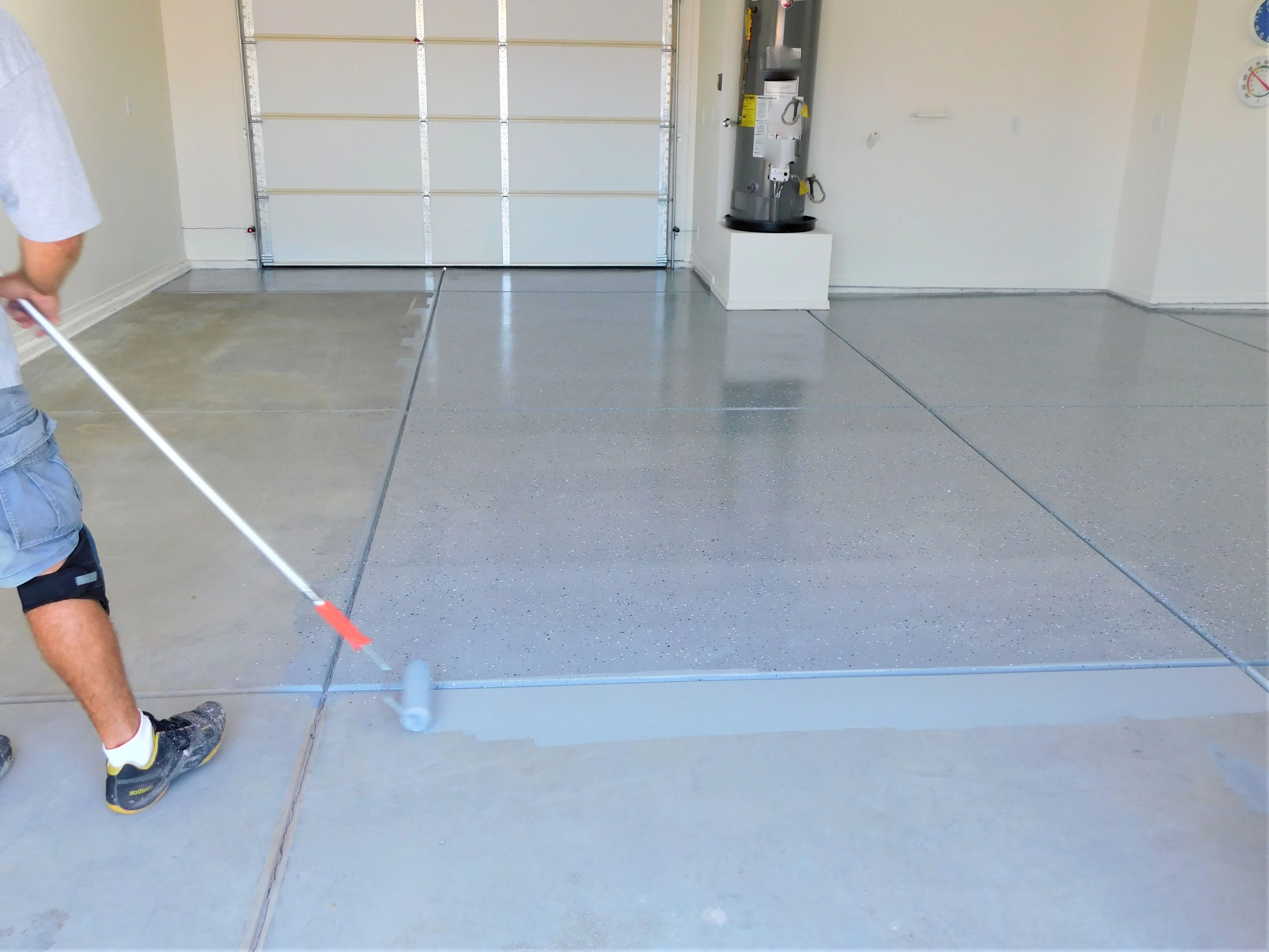
How Much Does Epoxy Garage Floor Coating Cost in 2026?
How much does epoxy garage floor coating cost? See 2026 pricing by type, garage size, and DIY vs pro. Get a free quote from 4 Corners Concrete Coatings today.
The Ultimate Guide to Garage Floor Coatings in Denver
A comprehensive guide to protecting your garage floor from Denver's harsh climate with the best coating solutions available.