
How Much Does Epoxy Garage Floor Coating Cost in 2026?
How much does epoxy garage floor coating cost? See 2026 pricing by type, garage size, and DIY vs pro. Get a free quote from 4 Corners Concrete Coatings today.
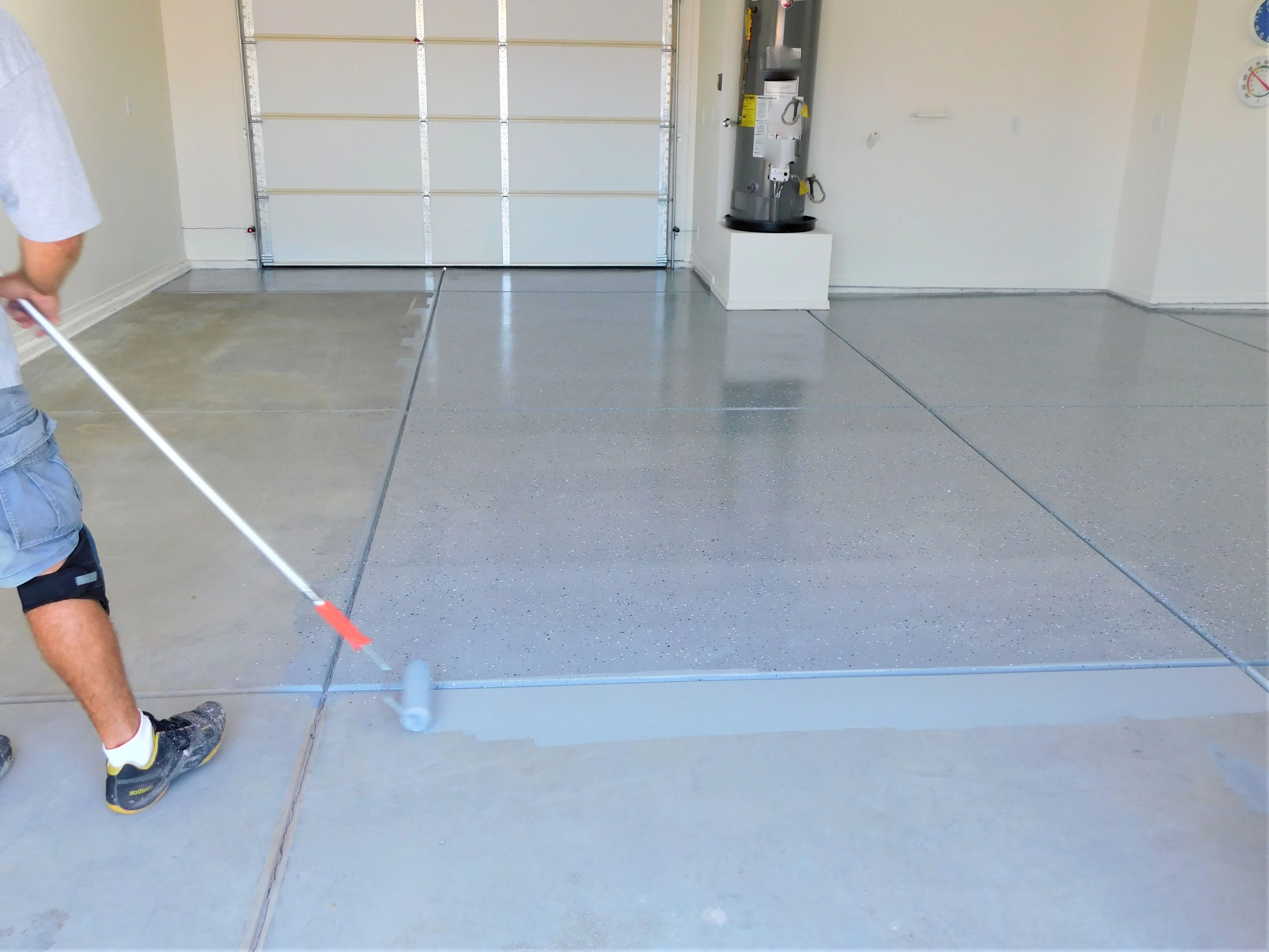
Most homeowners are surprised by the range of garage floor coating prices. Depending on the coating type, the size of your garage, and whether you hire a professional or try a DIY kit, you could spend anywhere from $3 per square foot to $12 or more per square foot. That's a big range — and the difference between the low end and the high end isn't just price. It's durability, appearance, and how long the coating lasts before you're doing it all over again. This guide breaks down what garage floor coatings actually cost in 2026, what drives the price, and how to get the best value for your money. Whether you're considering epoxy, polyaspartic, or polyurea, you'll know exactly what to budget before you request a quote. At 4 Corners Concrete Coatings, we install garage floor coatings across the San Diego area and give free estimates on every project. Here's what you should know about pricing before you call anyone. Garage Floor Coating Cost by Type Not all garage floor coatings are the same. The material you choose is the single biggest factor in your total cost — and the biggest factor in how long that coating holds up. Here's what each type costs per square foot, professionally installed: • Epoxy: $3 – $7 per sq ft installed. Affordable, wide color range, proven durability. • Polyaspartic: $5 – $10 per sq ft installed. UV stable, 1-day cure, superior chemical resistance. • Polyurea: $6 – $12 per sq ft installed. Most flexible, extreme durability, fast cure time. Epoxy is the most affordable professional option and the most widely recognized name in garage floor coatings. It bonds well to concrete, comes in dozens of colors and decorative options (flake, metallic, solid), and can last 10 to 20 years when properly installed. Polyaspartic coatings cost more upfront but offer several advantages over traditional epoxy. They cure in a single day — meaning you can park on your garage floor the next morning instead of waiting 3 to 5 days. Polyaspartic won't yellow from UV exposure, resists hot tire pickup, and handles chemicals better than standard epoxy. Polyurea is the premium tier. It's the most flexible of the three, which means it handles temperature swings and concrete movement better than rigid coatings. Polyurea is also the most chemical-resistant option available and cures extremely fast. The higher price reflects both the material cost and the skill required to apply it properly. Which should you choose? For most residential garages, epoxy or polyaspartic are the best options. Epoxy if budget is the priority. Polyaspartic if you want same-day use, UV stability, and longer lifespan. Polyurea is typically reserved for commercial or high-performance applications. Cost by Garage Size Your total project cost depends heavily on the size of your garage. Here's what to expect for each common garage size: • 1-Car Garage (200 – 250 sq ft): $600 – $1,750 • 2-Car Garage (400 – 500 sq ft): $1,200 – $3,500 • 3-Car Garage (600 – 800 sq ft): $1,800 – $5,600 The ranges above account for different coating types. A 2-car garage coated with standard epoxy will fall toward the lower end. The same garage with a polyaspartic or polyurea system — or with decorative flake or metallic finishes — will land toward the higher end. Larger garages typically cost less per square foot because the fixed costs of mobilization, surface preparation, and equipment are spread over more area. A 1-car garage might run $5 to $7 per square foot, while a 3-car garage could come in at $3 to $5 per square foot for the same coating system. Want to know the exact cost for your garage? 4 Corners Concrete Coatings provides free estimates for any garage size. What Affects the Cost of Garage Floor Coating? The numbers above are ranges for a reason. Several factors push your total cost higher or lower: Surface Condition and Prep Required This is the most important factor in both cost and long-term performance. A garage floor in good condition — no major cracks, no previous coatings, no moisture issues — requires standard preparation: grinding or shot blasting the surface to create a profile the coating can bond to. A floor with existing coatings that need to be removed, significant cracks that need repair, or moisture problems that need to be addressed will cost more to prepare. Surface preparation can add $1 to $3 per square foot to the project if the floor is in poor condition. Here's the thing most homeowners don't realize: surface preparation is where the quality of a coating job is determined. You can apply the best coating in the world, but if the concrete isn't properly prepped, it will peel. Every professional installer knows this. It's the step that cheap contractors and DIY kits skip — and it's the reason those coatings fail. Coating Type and Number of Layers A single-coat epoxy system is the most affordable. A multi-layer system — primer, base coat, flake or metallic broadcast, and clear topcoat — costs more but produces a dramatically better result in both appearance and durability. Most professional installations include at least two coats plus a topcoat. Premium systems may include three or four layers. Each additional layer adds material cost and labor time, but also adds years to the coating's lifespan. Decorative Options Standard solid-color coatings are the least expensive. Decorative options add cost but significantly change the look of the finished floor: • Flake epoxy flooring: Vinyl flakes broadcast into the wet coating create a textured, multi-color finish that hides imperfections and provides slip resistance. Adds $0.50 to $2 per square foot. • Metallic epoxy floor: Metallic pigments create a swirling, high-gloss finish that looks like polished marble or flowing lava. This is the premium decorative option and adds $2 to $5 per square foot. • Quartz broadcast: Colored quartz granules broadcast into the coating provide excellent slip resistance and durability. Common in commercial settings. Adds $1 to $3 per square foot. Geographic Location Labor rates and material costs vary by region. In higher cost-of-living areas, expect to pay toward the upper end of the ranges in this guide. Contractor availability also matters — in busy markets, pricing tends to be higher during peak seasons (spring and summer). Contractor Experience and Warranty Established contractors with training, proper equipment (industrial grinders, not rental machines), and strong warranties typically charge more than handyman-style operators. The difference shows up in the quality of surface preparation, the materials used, and how the coating holds up over time. A warranty matters. Ask any contractor what their warranty covers and for how long. A 5-year or longer warranty from a reputable installer is a sign that they stand behind their work. DIY vs Professional Garage Floor Coating Cost This is the question every homeowner considers: Can I save money by doing it myself? Here's the honest comparison: • DIY: $100 – $300 cost, retail kit materials, acid etch surface prep, 3 – 7 day cure time, 1 – 3 year lifespan, product-only warranty. • Professional: $1,200 – $5,000+ cost, commercial-grade coating systems, diamond grinding or shot blasting surface prep, 1 – 5 day cure time, 10 – 20+ year lifespan, product + workmanship warranty. DIY garage floor coating kits are available at hardware stores for $100 to $300. They include a basic epoxy coating and usually an acid-etch solution for surface preparation. On paper, the savings are significant. In practice, DIY kits have a high failure rate. The most common problems: • Peeling within 1 to 2 years due to inadequate surface preparation. Acid etching — the prep method included in most DIY kits — doesn't create the mechanical profile that commercial diamond grinding or shot blasting achieves. • Hot tire pickup, where warm tires from driving literally pull the coating off the floor. This happens with thin, single-coat applications that haven't fully bonded to the concrete. • Bubbling and blistering caused by moisture in the concrete that wasn't tested for before application. Professional installation costs more upfront, but the cost per year of service life is dramatically lower. A $2,500 professional job that lasts 15 years costs $167 per year. A $200 DIY kit that fails in 2 years costs $100 per year — plus the cost and hassle of stripping the failed coating before you can recoat. At 4 Corners Concrete Coatings, we use commercial-grade materials, industrial surface preparation equipment, and multi-layer coating systems designed to last. Every project includes proper concrete preparation — because that's where coating longevity is really determined. How to Get the Best Value on Your Garage Floor Coating Getting a quality garage floor coating at a fair price comes down to a few key steps: Get multiple quotes. Compare at least three contractors. But compare scope of work, not just bottom-line price. The cheapest quote often skips proper surface preparation or uses thinner coatings — and that's where problems start. Ask about the prep process. This is the single most important question you can ask any coating contractor. What equipment do they use? Diamond grinder? Shot blaster? Or just acid etch? If a contractor can't explain their surface preparation process in detail, that's a red flag. Check the warranty. What does it cover? How long? Does it cover peeling, hot tire pickup, and delamination — or just material defects? A strong warranty tells you a contractor trusts their own work. Look at their portfolio. Ask for photos of completed projects. Better yet, ask for references from jobs completed 3 to 5 years ago. A floor that looks good on day one is easy. A floor that still looks good after years of use, parking, and abuse is the real test. Don't choose solely on price. The difference between the cheapest quote and a quality installation might be $500 to $1,000. Spread over 15 years of daily use, that's a few dollars a month for a floor that actually lasts.
Frequently Asked Questions
How much does it cost to epoxy a 2-car garage?
Professional epoxy coating for a 2-car garage (400 to 500 square feet) typically costs $1,200 to $3,500 depending on the coating type, number of layers, decorative options, and the condition of your existing concrete floor. A standard epoxy system with flake finish falls in the $1,800 to $2,500 range for most 2-car garages.
Is epoxy garage floor worth the money?
Yes. A professionally installed garage floor coating protects your concrete from stains, chemicals, salt, and abrasion. It's easy to clean — oil spills, road grime, and dust wipe right up. It resists moisture and chemicals that would damage bare concrete. And a quality installation lasts 15 to 20 or more years, making the cost per year of use very low compared to the improvement in function and appearance.
How long does garage floor epoxy last?
Professional-grade epoxy coatings last 10 to 20 years with proper surface preparation and installation. Polyaspartic coatings can last even longer — 15 to 20 or more years — with less maintenance and better resistance to UV yellowing, hot tire pickup, and chemical damage. DIY epoxy kits, by comparison, typically last 1 to 3 years before peeling or degrading.
Can I epoxy my garage floor myself?
DIY epoxy kits exist and are available at hardware stores. However, they have a high failure rate — primarily because the acid-etch preparation included in DIY kits doesn't create the surface profile needed for strong coating adhesion. Most DIY epoxy applications begin peeling within 1 to 2 years. If your goal is a coating that lasts, professional installation with commercial-grade materials and mechanical surface preparation is the better investment.
Ready to Transform Your Concrete in Colorado?
Get a free estimate for your polyaspartic coatings project today.
Recommended Service
Polyaspartic Floor Coatings
Fast-curing, UV-stable coatings perfect for Colorado's climate.
Learn MoreShare this article

Written by
Mike JohnsonLead Concrete Coating Specialist
Lead Concrete Coating Specialist with 15+ years of industry experience specializing in polyaspartic and epoxy systems.
You May Also Like
The Ultimate Guide to Garage Floor Coatings in Denver
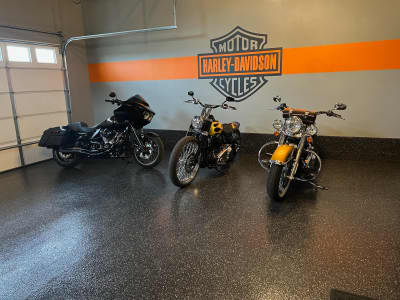
A comprehensive guide to protecting your garage floor from Denver's harsh climate with the best coating solutions available.
The Ultimate Guide to Garage Floor Coatings in Denver
Discover why garage floor coatings are essential for Denver homes and explore the best options including polyaspartic and epoxy quartz systems.
Epoxy vs Polyaspartic Floor Coating: Which Is Better for Your Garage?
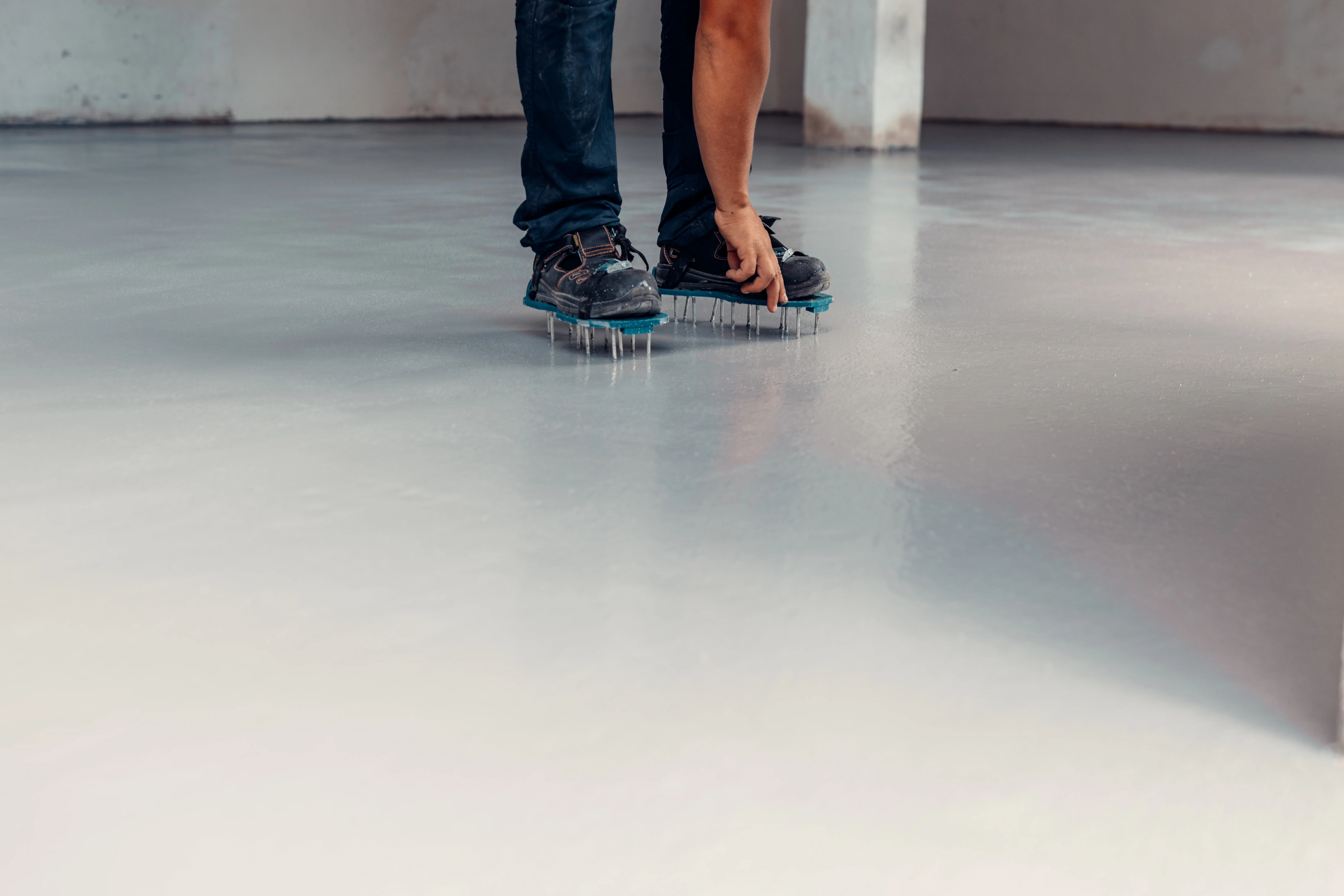
Epoxy vs polyaspartic garage floor coating — which is better? Compare cost, durability, cure time, and UV resistance side by side in this honest 2026 comparison guide.